Grain or No Grain? The Great Debate in Movies
Grain or No Grain? The Great Debate in Movies
For film enthusiasts and home theater fans, few topics spark more debate than film grain. Some viewers love it, arguing it’s an essential part of the cinematic experience. Others prefer a perfectly clean image and see grain as nothing more than visual noise.
So which side is right? Should movies have grain, or should modern technology remove it?
The answer depends on how movies are made, preserved, and presented.
What Is Film Grain?
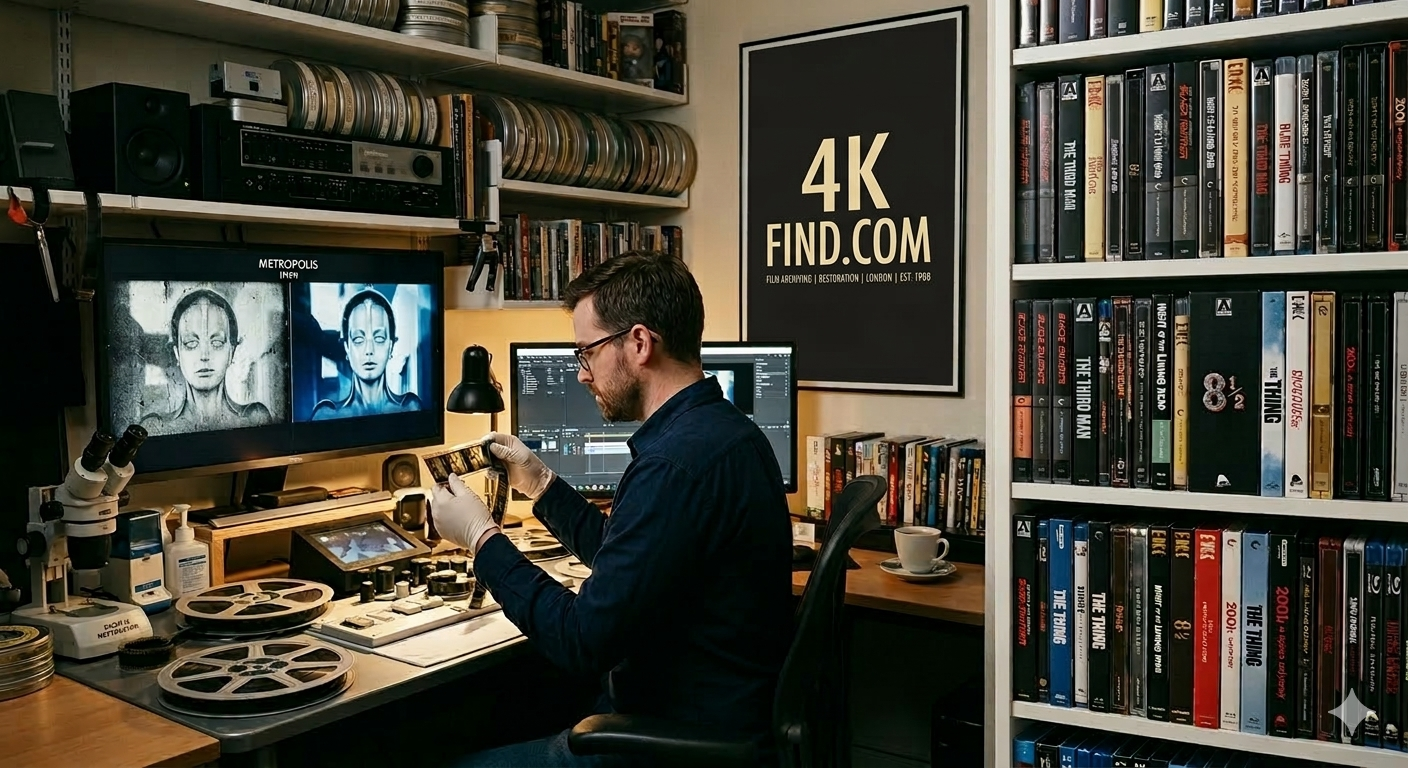
Film grain is the fine, random texture visible in movies shot on traditional photochemical film. It comes from tiny silver halide crystals embedded in the film stock that react to light during exposure.
Each frame of film contains millions of these crystals, and their random arrangement creates the subtle, organic texture we recognize as grain.
Directors and cinematographers often choose specific film stocks based on the grain characteristics they want. Faster film stocks used for low-light scenes usually produce more visible grain, while slower stocks produce a cleaner image.
In other words, grain isn’t a mistake. It’s built into the medium itself.
Why Many Film Fans Love Grain
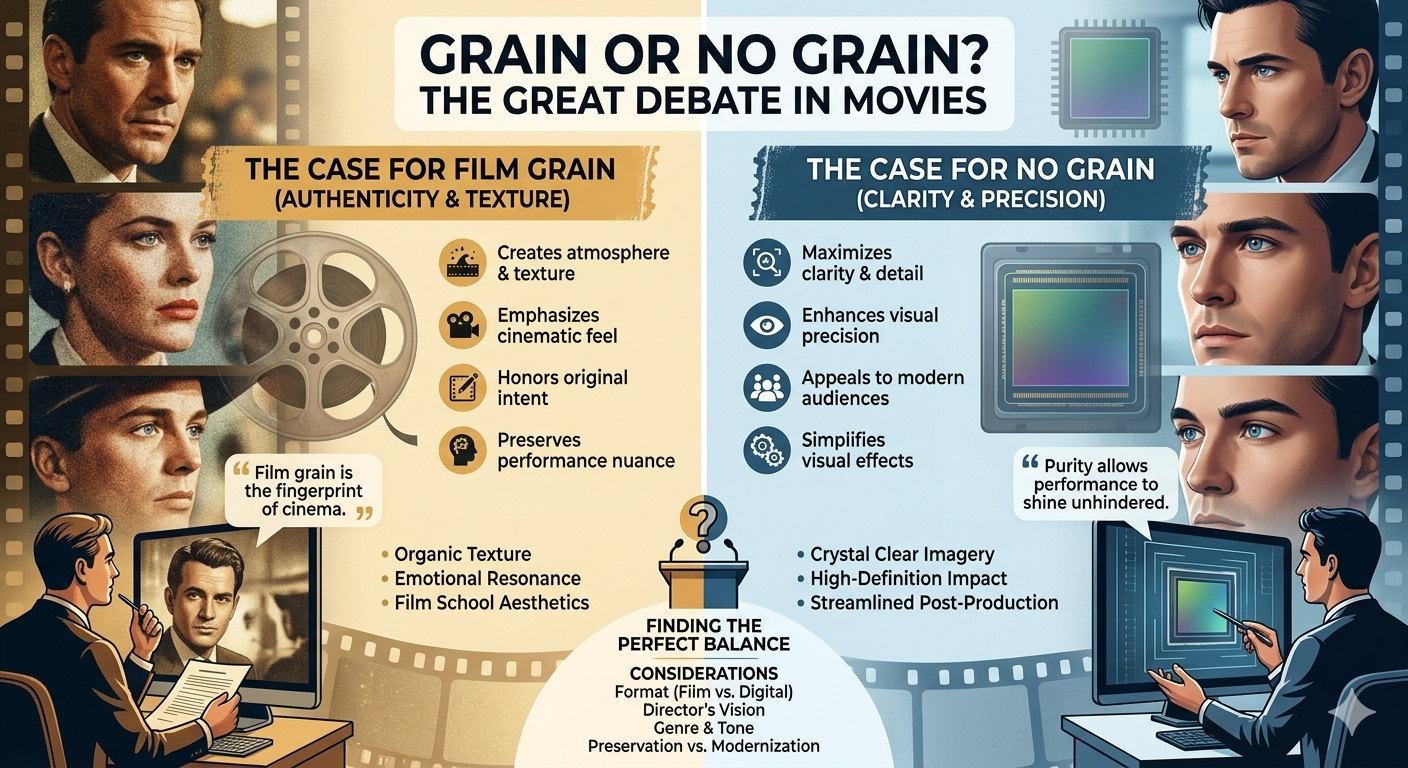
For many cinephiles, grain is a crucial part of the cinematic look.
1. Authenticity
If a movie was shot on film, grain is part of the original image. Removing it can alter how the movie was intended to look.
2. Natural Texture
Grain adds subtle motion and texture to the image. This can make scenes feel more alive compared to overly processed digital images.
3. Detail Preservation
When film grain is aggressively removed through digital noise reduction (DNR), it often takes fine detail with it. Faces can become waxy, clothing textures disappear, and the image may look artificially smooth.
Many controversial home video releases have suffered from this problem.
Why Some Viewers Prefer No Grain
On the other side of the debate are viewers who prefer a cleaner image.
1. Modern Display Expectations
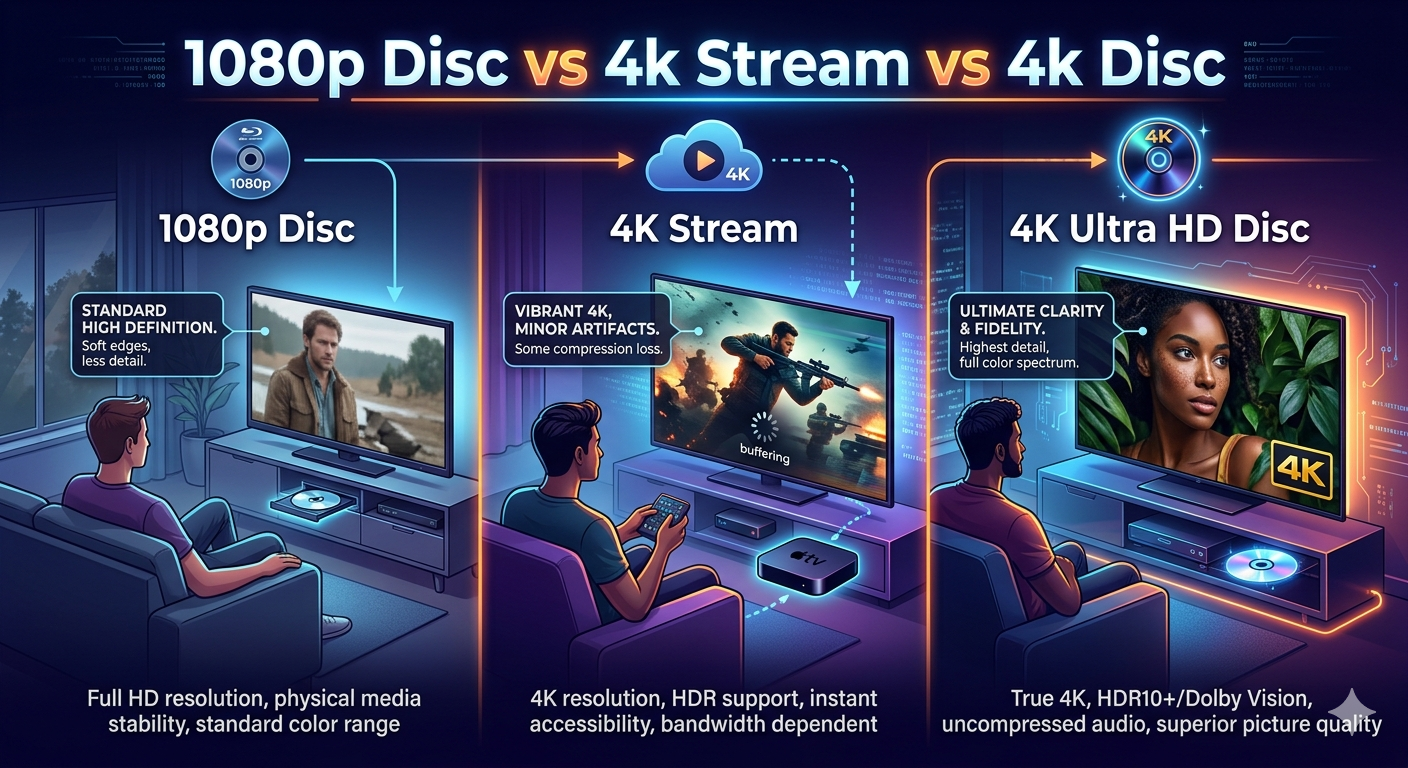
Today’s televisions are extremely sharp and bright. On large 4K displays, film grain can appear more noticeable than it did in theaters decades ago.
2. Compression Issues in Streaming
Streaming platforms often struggle to encode grain efficiently. Grain requires higher bitrates to avoid artifacts like blockiness or banding. When bitrate is limited, the result can look messy rather than cinematic.
3. Digital Cinematography
Many modern movies are shot digitally, which naturally produces a cleaner image with little to no grain. Viewers who grew up with digital filmmaking often expect that smooth look.
Film Grain vs Digital Noise
It’s important to distinguish between film grain and digital noise.
Film grain is organic and consistent with the original medium. Digital noise, however, is often the result of camera sensors struggling in low light.
Filmmakers sometimes even add simulated grain to digitally shot movies to create a more film-like aesthetic.
A famous example is Dune, where subtle grain was intentionally added during post-production to avoid an overly clinical digital look.
Why Grain Matters More in 4K Releases
The debate becomes especially intense when movies are remastered for 4K UHD Blu-ray.
High-quality 4K restorations often reveal film grain more clearly than older Blu-ray releases. When handled properly, this grain is a sign that the transfer preserved the original film detail.
However, if studios try to smooth out the grain, they risk creating the dreaded “waxy” look that collectors dislike.
Some controversial examples in home video history include releases of Predator and Terminator 2: Judgment Day, where heavy noise reduction significantly altered the original appearance.
The Middle Ground: Respect the Source
Most experts agree that the best approach is simple:
Respect the source material.
- If a movie was shot on film, grain should generally remain.
- If it was shot digitally, it should look clean unless the filmmakers intentionally add grain.
The goal of restoration and mastering should be accuracy, not artificial perfection.
Final Thoughts
The “grain vs no grain” debate ultimately reflects a larger question about how movies should be preserved.
Film grain isn’t just noise—it’s part of the photographic process that shaped cinema for over a century. Removing it may create a smoother image, but it can also erase subtle detail and alter the filmmaker’s vision.
For many film lovers, grain isn’t a flaw.
It’s part of the magic of movies.
Related Posts